
Author: Blossom Family Chiropractic | St. Petersburg, FL
Medical Review: PX Docs Certified Pediatric Chiropractors
Quick Answer: What Is Birth Trauma and How Does It Affect Babies?
Birth trauma affects the majority of newborns to some degree—not from anything going wrong, but from the intense physical stress of birth itself. Even “normal” vaginal deliveries involve 35-90 pounds of pressure on a baby’s delicate head, neck, and spine. According to PX Docs research on birth trauma, this pressure can create spinal misalignments that interfere with nervous system function, manifesting as feeding difficulties, colic, sleep issues, and developmental challenges. Gentle pediatric chiropractic care addresses these birth-related tensions, with studies showing significant improvements in feeding, sleep, and comfort within days to weeks. Early intervention—ideally within the first 2-4 weeks—supports optimal nervous system development from birth.
The Unspoken Reality of Birth
Your birth didn’t go as planned. Maybe it was a long, difficult labor. Perhaps you needed an emergency C-section, or your baby required forceps or vacuum assistance. Now you’re home with your precious little one, but something doesn’t feel quite right.
Your baby seems fussy, has trouble nursing, or just doesn’t seem as calm and content as you expected. You mention this to your pediatrician, but you’re told it’s “normal newborn behavior.”
What if there’s more to the story? What if the birth trauma babies experience has lasting effects on their developing nervous systems—and what if there’s something gentle you can do about it?
Understanding Birth Trauma: More Common Than You Think
Birth trauma doesn’t mean anyone did anything wrong. Birth is inherently intense, and according to PX Docs training, even “normal” deliveries can create stress on your baby’s delicate nervous system.
Physical Stress During Normal Birth:
- 35-90 pounds of pressure on baby’s head and neck
- Twisting and rotation through the birth canal
- Compression of spinal structures during contractions
- Rapid environmental changes from womb to outside world
Additional Stress from Interventions:
- C-section delivery
- Vacuum or forceps assistance
- Labor induction or augmentation
- Prolonged labor (over 20 hours) or very fast labor (under 3 hours)
- Cord complications
- Breech or posterior presentations
“Birth trauma doesn’t mean the birth was ‘bad,'” explains Dr. Savy Ford, PX Docs Certified Pediatric Chiropractor at Blossom Family Chiropractic in St. Petersburg. “It simply means that the physical stress of birth has created tension in baby’s nervous system that might need gentle support.”
How Birth Trauma Affects Your Baby’s Nervous System
Your baby’s nervous system is incredibly delicate and still developing. The physical stress of birth can create subluxations—areas where spinal bones aren’t moving properly, creating interference in nerve communication.
Areas Most Commonly Affected:
Upper Cervical Spine (Neck):
- Atlas and axis vertebrae most vulnerable during birth
- Controls nerve communication to head, face, and upper body
- Affects feeding, sleeping, and comfort
Cranial Bones:
- Skull plates designed to overlap during birth
- Sometimes remain compressed after delivery
- Can affect nerve function and development
Sacrum and Pelvis:
- Important for overall spinal alignment
- Affects digestive and elimination functions
- Influences hip development and movement
Signs Your Baby May Have Birth Trauma
Feeding Difficulties:
- Poor latch or painful nursing for mom
- Preference for one breast only
- Frequent spit-up or reflux symptoms
- Poor weight gain despite frequent feeding
- Difficulty coordinating suck-swallow-breathe pattern
Sleep Disruptions:
- Difficulty settling to sleep
- Frequent night waking without apparent cause
- Only sleeping when held upright
- Restless, uncomfortable sleep patterns
Digestive Issues:
- Excessive gas and bloating
- Constipation or irregular bowel movements
- Colic symptoms (excessive crying 3+ hours daily)
- Reflux that doesn’t improve with positioning
Physical Asymmetries:
- Head tilting to one side (torticollis)
- Flat spots developing on head
- Difficulty turning head both directions
- Arched back during crying or feeding
- Asymmetrical movement patterns
Behavioral Signs:
- Excessive crying or fussiness
- Difficulty being consoled
- Hypersensitivity to light, sound, or touch
- Startling easily
- Difficulty with state regulation (calm to alert transitions)
The Science Behind Newborn Chiropractic Care
Safety Studies:
- No serious adverse events in extensive research
- Gentler than many routine medical procedures
- PX Docs specialized techniques designed specifically for newborns
- Extensive training required for practitioners
Effectiveness Research:
- Significant improvement in feeding difficulties
- Better sleep patterns within days to weeks
- 67% reduction in colic symptoms
- Enhanced nervous system development and function
Long-term Benefits:
- Optimal nervous system development from birth
- Reduced likelihood of future developmental issues
- Stronger immune system function
- Better adaptation to growth challenges
Source: Clinical research from PX Docs and ICPA studies on birth trauma and infant chiropractic care.
What Newborn Chiropractic Care Looks Like
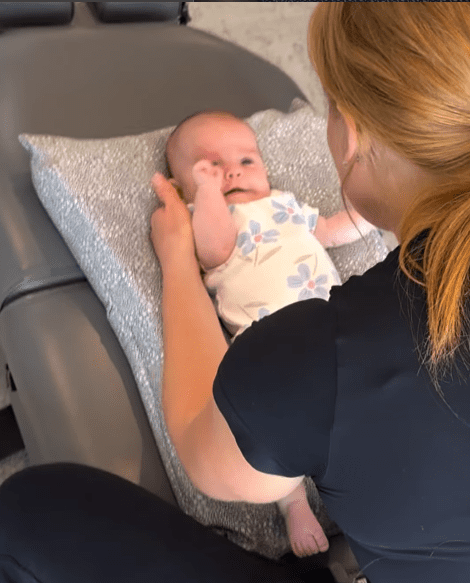
Gentle Assessment:
- Visual observation of posture and movement patterns
- Light palpation to identify tension or restriction
- Neurological testing appropriate for newborn development
- Discussion about birth history and current concerns
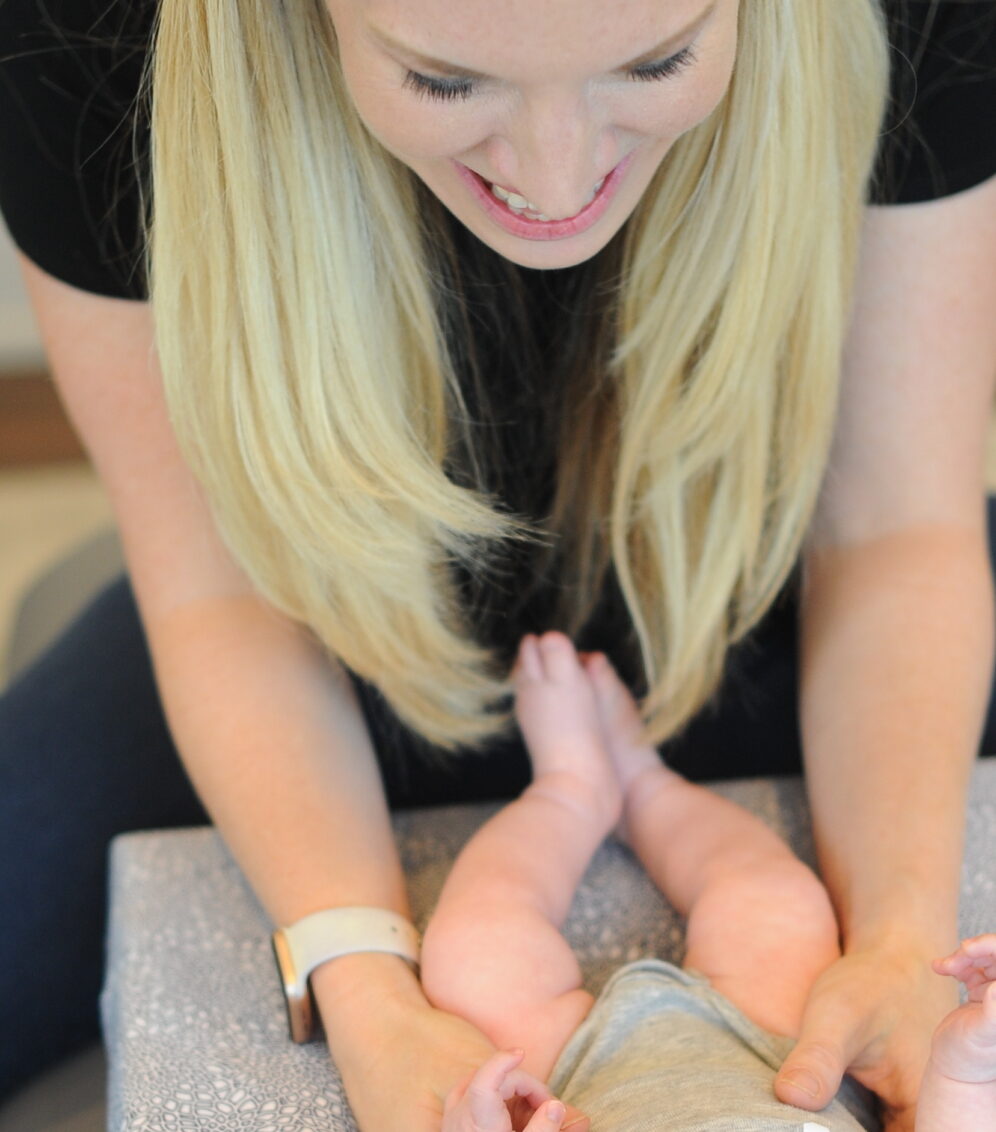
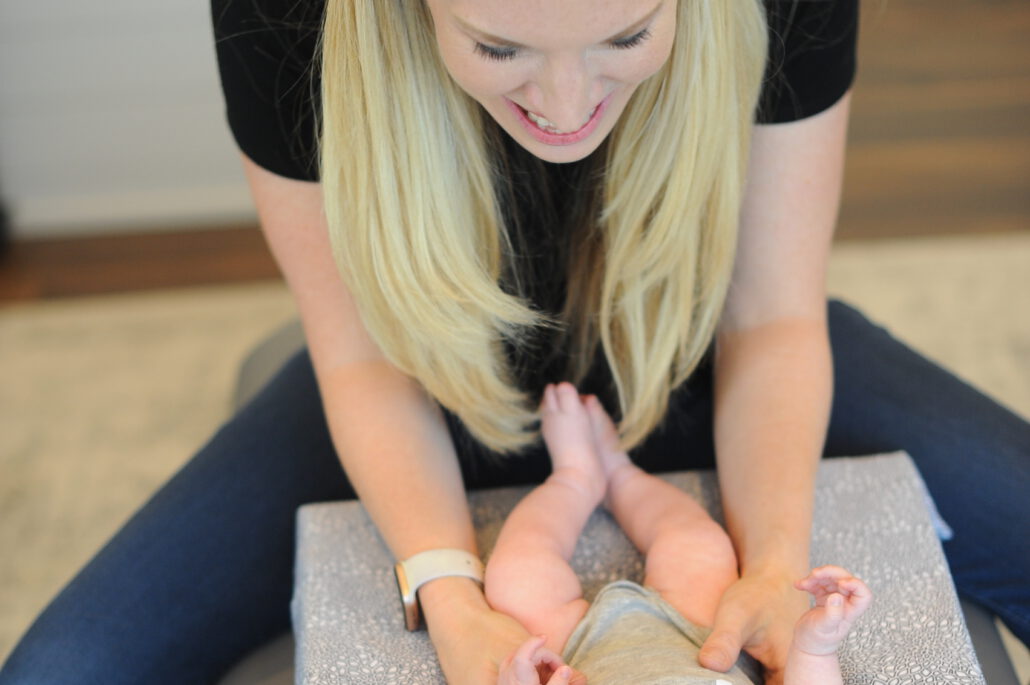
The Adjustment:
- Fingertip pressure no firmer than testing a ripe tomato (2-4 ounces)
- Specific, gentle movements to restore proper alignment
- No popping or cracking sounds
- Most babies find it soothing and relaxing
Immediate Response:
- Many babies show immediate relaxation
- Improved feeding often noticed within hours
- Better sleep patterns typically within days
- Reduced fussiness and improved comfort
Real Stories from Blossom Families
Dr. Savy Ford’s Personal Story:
“After a traumatic birth and fatal diagnosis, chiropractic care saved our daughter’s life. The gentle adjustments helped her nervous system function properly when nothing else worked.”
Crystal P., Patient Review:
“Our baby had major reflux that wasn’t improving with diet changes alone. After starting chiropractic care, it was a complete game-changer! She’s now a much happier baby.”
Faith Davidson, Google Review:
“Each doctor at Blossom helped our newborn get on a healthy track after a long NICU stay. The care they provided was beyond compare.”
When to Seek Newborn Chiropractic Care
Consider assessment if your baby:
Had a Difficult Birth:
- Long labor (over 20 hours) or very fast labor (under 3 hours)
- Required interventions (forceps, vacuum, C-section)
- Positioning challenges during delivery
- Cord complications
Shows Signs of Nervous System Stress:
- Feeding difficulties that persist
- Sleep disruptions beyond normal patterns
- Excessive crying or colic symptoms
- Physical asymmetries or movement restrictions
- Difficulty with comfort and settling
You Want to Optimize Development:
- Proactive approach to nervous system health
- Prevention of future issues
- Supporting optimal growth
- Enhancing natural healing
Frequently Asked Questions
Q: How soon after birth can my baby see a chiropractor?
A: Newborns can safely receive chiropractic care within hours of birth. PX Docs certified practitioners recommend assessment within the first 2-4 weeks, especially if there was a difficult birth or interventions.
Q: Will it hurt my baby?
A: No. Infant adjustments use fingertip pressure equivalent to testing fruit ripeness (2-4 ounces)—gentler than diaper changes. Most babies find it soothing and many sleep through treatment.
Q: How quickly will I see improvements?
A: Many babies show immediate relaxation. Feeding often improves within hours to days, and sleep patterns typically improve within days to weeks. Continued care supports ongoing nervous system development.
Q: Is it safe for premature babies or babies with medical conditions?
A: Yes, when performed by a PX Docs certified pediatric chiropractor. We work closely with your baby’s medical team. Many NICU babies benefit from gentle nervous system support.
Q: How much does newborn chiropractic care cost?
A: At our office, initial exams are typically $200 and include a health history consultation, 2 nervous system scans (completely safe for baby, non-invasive, and don’t involve any radiation), and a follow-up visit to review results. Adjustments range between $65-$85 per visit.
Q: What if my baby had a C-section?
A: C-section babies often need chiropractic care. While they avoid the compression of vaginal birth, they experience rapid pressure changes and are pulled through a small opening, which can create significant spinal and cranial tension.
Q: Will my pediatrician approve?
A: More pediatricians recognize the benefits of addressing birth trauma through chiropractic care. We’re happy to communicate with your pediatrician and provide research supporting this approach.
Help Your Baby Thrive After Birth
Birth trauma doesn’t have to define your baby’s future. At Blossom Family Chiropractic in St. Petersburg, we specialize in helping babies recover from birth-related nervous system stress through the gentlest, most effective techniques available. Our PX Docs certified pediatric chiropractor team understands the delicate nature of infant nervous system development and works closely with families to support optimal health from birth.
Why Choose Blossom Family Chiropractic?
- PX Docs Certified Pediatric Specialists
- Advanced nervous system scanning technology safe for newborns
- Gentle, evidence-based techniques for infants
- Experience with hundreds of newborns
- Serving St. Petersburg and Tampa Bay families
- Collaborative approach with medical providers
Ready to help your baby thrive after a difficult birth? Contact Blossom Family Chiropractic today. Your little one’s bright, healthy future starts with optimal nervous system function.
Additional Resources
- PX Docs – The Pediatric Experience – Leading research on birth trauma and nervous system development
- PX Docs Birth Trauma Resources – Evidence-based information on newborn chiropractic care
- ICPA – International Chiropractic Pediatric Association
Contact Us
📍 Blossom Family Chiropractic
St. Petersburg, FL | Serving Tampa Bay Families📞 Call: 727-498-5643
🌐 Website: www.blossomfamilychiropractic.com
📱Social: [Instagram] | [Facebook]