
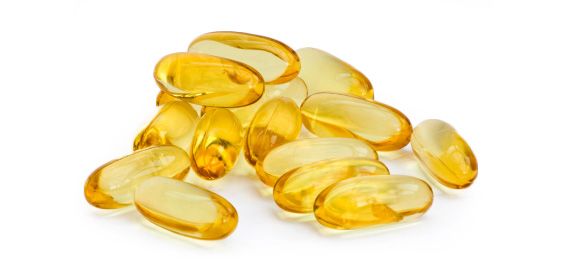
 Omega-3 is a type of fatty acid. Fatty acids are small molecular component found in all fats, but their type and structure differs between foods. They are part of the process of building new cells, which is the key to developing the central nervous and cardiovascular systems, supporting the health of your brain, and helping the body absorb nutrients.
Omega-6 is another essential fat for human health. However, the typical American consumes far too much omega-6 fat, and consumes far too little omega-3 fat. Omega-6 is primarily sourced from corn, soy, safflower oil, and sunflower oil. Consuming exceeding amounts of omega-6s encourages the production of inflammation in your body. Many scientists believe that the imbalance of omega-3 and omega 6 is one reason that there is high incidence of heart disease, hypertension, diabetes, obesity, premature aging, and cancers today.
Omega-3 comes from both plant and animal sources. The primary plant sources are flaxseed, walnuts, seaweed, chia, and hemp. The primary animal sources are krill oil and fish oil.
The body cannot make Omega-3’s alone; we can only get it from the food that we eat. Therefore, it is essential to make sure we have a daily dose of omega-3 through whole foods.
3 Main Types of Omega-3s:
- Eicosapentaenoic acid (EPA)
- Docosahexaenoic acid (DHA)
- Alpha-linolenic acid (ALA)
5 Reasons to Take Omega-3s Daily:
- Brain cells: Omega-3s support healthy brain cell structure. There are over 100 billion cells in our brain, which are responsible for powering our bodies. The human brain is about 60% fat, and each cell has an outer membrane, which is made up of fats (lipids). Creative thinking, planning and following your goals and dreams rely on our brain to function properly.
- Fetal brain development: Research shows that children of those women who consumed Omega-3s while pregnant scored very well in developmental and behavioral testing. Omega-3s are critical building blocks of fetal brain and retina development.
- Anti-aging: Omega-3s have incredible anti-aging effects on the brain. Research suggests that since the brain metabolizes DHA into anti-inflammatory compounds, it may be effectively slowing cell death (which naturally occurs with age). Insufficient omega-3 intake impairs learning memory as you age.
- Mental health and happiness: Omega-3s not only help in the formation of healthy brain cell membranes, but also the flexibility and fluidity of the membranes. They help regulate the flow of proteins and neurotransmitters, which act chemical messengers and are directly related to mood. Omega-3s also helps increase the levels of dopamine, which is an important neurotransmitter associated with our “reward response,” and serotonin, a neurotransmitter associated with our ability to access feelings of well being.
- Hormone balancing: As omega-3s act build healthy cell membranes, enabling effective communication between cells; it makes it possible for hormones to adhere to cells more easily. Omega-3s also aid the body in keeping the cellular receptor sites repaired (where hormones are) and in optimal condition, which is key for premenopausal/menopausal women. The anti-inflammatory properties of omega-3s also eases the symptoms of PMS and dysmenorrhea.
Omega-3s and Children’s Brains:
- Improves children’s literacy level and academic performance
- Helps children with ADHD
- Improves emotional processing and social skills of children
- Improves children’s mood and memory
- Improves short bowel syndrome (SBS) in children
From the time of your pregnancy through your child’s later life, omega-3 fats have a radically important role in their brain health and other functions. It is crucial to maintain an adequate intake of omega-3s through whole foods or supplementation during pregnancy and breastfeeding. Babies receive DHA through mother’s breast milk, so continuing to breastfeed through the first year will give your child a great head start for health and success.
Recommended Omega-3 Intake for Kids:
- 0 to 12 months: 0.5 grams/day
- 1 to 3 years: 0.7 grams/day
- 4 to 8 years: 0.9 grams/day
- 9 to13 years (boys): 1.2 grams/day
- 9 to 13 years (girls): 1.0 grams/day
- 14 to 18 years (boys): 1.6 grams/day
- 14 to 18 years (girls): 1.1 grams/day
“When your cells contain equal amounts of Omega-6s and Omega-3s, as was the case with early humans, this promotes less inflammation, less constrictive blood vessels, and prevents clot formation, all important functions in preventing many diseases.”
– Artemis Simopoulos, President of the Center for Genetics, Nutrition, and Health.